

Quick Summary
Rear extensions are the most popular option, ideal for expanding kitchens and living areas with indoor-outdoor flow
Second-storey additions add major space on compact blocks without losing backyard
Granny flats offer self-contained space for family or rental income (allowed on NSW blocks over 450sqm)
Alfresco areas are one of the most affordable ways to add usable living space
Home offices, sunrooms, and garage conversions suit smaller budgets and specific lifestyle needs
Approvals depend on extension type, block, and local council rules
Moving house is expensive, disruptive, and often unnecessary. For most Australian homeowners, a well-planned house extension delivers more space, more functionality, and better value than selling and starting again. Whether your family has grown, your needs have changed, or you simply want more room to breathe, there are more house extension ideas available to Australian homeowners today than ever before.
From open-plan rear additions to self-contained granny flats, here are eight of the most popular and practical extension options worth considering.
1. Rear Ground-Floor Extension
A rear extension is the most common type of house extension in Australia. It pushes the footprint of the home into the backyard, typically to expand a kitchen, living area, or dining room. When combined with large sliding or bi-fold doors, it creates the seamless indoor-outdoor flow that defines modern Australian living.
This type of extension suits homes on a level or gently sloping block and is generally more straightforward to approve than a second-storey addition. It works particularly well on older homes with smaller rear rooms and a generous backyard to draw from.
2. Second-Storey Addition
For homes on compact blocks, building up is often smarter than building out. A second-storey addition creates significant extra floor space without eating into your outdoor area. This approach is popular across Sydney's Northern Beaches and North Shore, where blocks are frequently smaller. At Dependabuild, we specialise in home extensions on the Northern Beaches and can guide you through this process from design to handover.
Second-storey additions typically include additional bedrooms, a main bathroom, and sometimes a retreat or study. The key is ensuring the new level integrates with the existing structure and roofline so the result feels like part of the original home rather than an add-on.

3. Open-Plan Living Extension
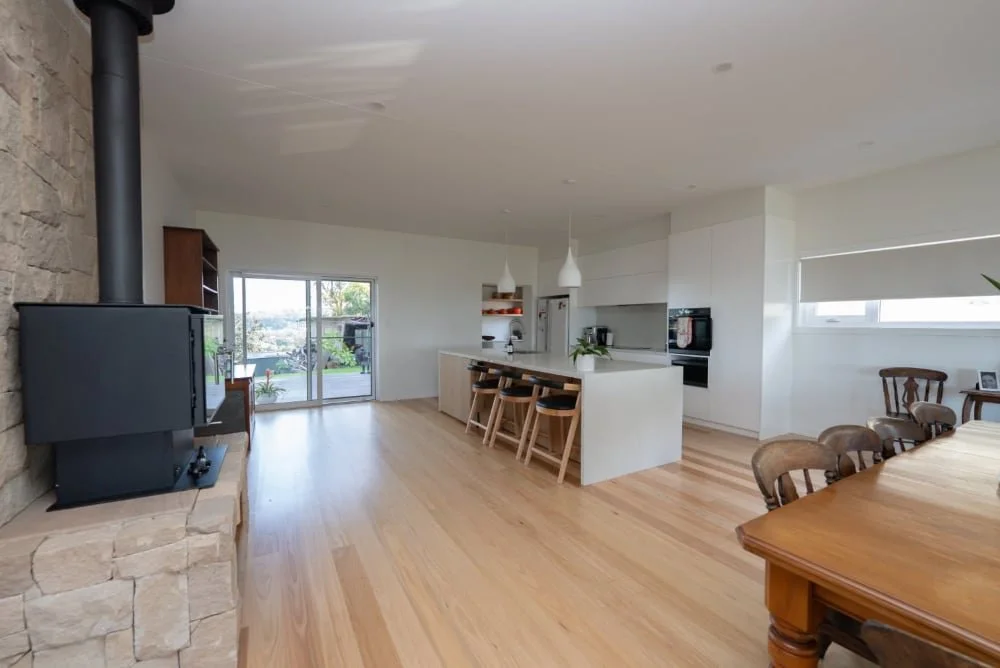
Sometimes the best extension is about knocking walls down, not just adding to the outside. Combining a rear extension with an open-plan redesign of the kitchen, dining, and living areas creates a single, connected space that completely transforms how a home feels and functions.
This type of extension suits families who want better flow for day-to-day living and entertaining. Large format tiles, timber flooring, and high ceilings help these spaces feel expansive even in modest homes.
4. Granny Flat or Secondary Dwelling
Granny flats have become one of the most in-demand house extension ideas in Australia, and for good reason. They provide a self-contained space that can house elderly parents, adult children, or paying tenants. NSW regulations allow complying development approval for granny flats on most residential blocks over 450sqm, making them a practical option for many homeowners. Our team can help you plan and build a granny flat that suits your block and your budget.
A well-designed granny flat adds genuine long-term value to a property and offers flexibility that most other extensions cannot match.
5. Alfresco and Covered Outdoor Living Area
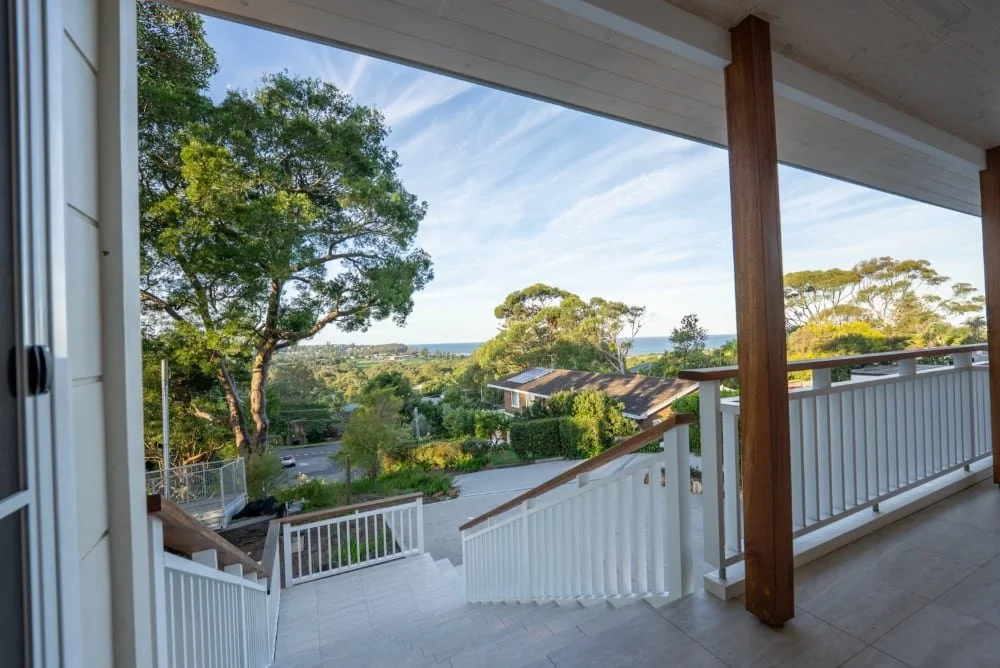
Australia's climate makes outdoor living an extension of the home, not an afterthought. A covered alfresco area, deck, or pergola creates usable space for entertaining and relaxing year-round without the cost and complexity of an enclosed addition.
This type of extension pairs well with a rear kitchen extension, with bi-fold doors opening directly onto the outdoor area to create a connected indoor-outdoor entertaining zone. It is often one of the more affordable extension options available.
6. Home Office or Studio Addition
With remote and hybrid work now common across Australia, a dedicated home office has become a practical necessity for many households. A purpose-built home office addition, whether attached to the main house or as a separate studio in the garden, provides the quiet and separation that a spare bedroom simply cannot offer.
Design considerations for a home office extension include good natural light, adequate ventilation, built-in storage, and acoustic separation from the rest of the house.
7. Sunroom or Enclosed Verandah
Converting an existing verandah into a sunroom or enclosing an underutilised outdoor area is a cost-effective way to add habitable floor space. These light-filled rooms suit a range of uses, from a reading room or playroom through to a casual dining area.
Using energy-efficient glazing keeps the space comfortable across seasons and ensures the room earns its keep year-round rather than sitting unused in winter. Ceiling fans or split systems help manage temperature in warmer months.
8. Garage Conversion or Extension
An underused garage is a ready-made opportunity for extra living space. Depending on the layout, a garage can be converted into a habitable room (subject to council approval) or extended to create a combined storage and utility space that frees up room inside the home.
Alternatively, adding a carport to an existing garage structure can free up the garage itself to be repurposed without losing covered parking. This approach is popular in established suburbs where off-street parking is expected.
How to Choose the Right House Extension
Choosing the right extension type comes down to three things: your block, your budget, and how you actually live. A rear extension makes sense if you have outdoor space to spare. A second storey suits compact blocks. A granny flat works well if long-term rental income or multigenerational living is a priority.
Before you commit to a design, it is worth speaking with a local builder who understands your area. Browsing home renovation ideas can also help you visualise what is possible for your home and suburb.
Planning approvals vary depending on the extension type and local council. Some extensions can be approved under complying development, which is faster and simpler, while others may require a development application. An experienced builder will guide you through this process.
Frequently Asked Questions
What is the most popular house extension type in Australia?
Rear ground-floor extensions are the most common, typically used to expand kitchens or living areas and create indoor-outdoor flow.
Do I need council approval for a house extension in Australia?
Most extensions require either complying development approval or a full development application. Requirements vary by state, council, and extension size.
Can I live in my home during a house extension?
Yes, in most cases. A good builder will plan the works to minimise disruption and discuss any periods where access to key areas may be limited.
How long does a house extension take in Australia?
A straightforward single-storey extension typically takes 10 to 16 weeks on site, depending on size and complexity. Planning and approvals add time before construction begins.
