
Quick Summary
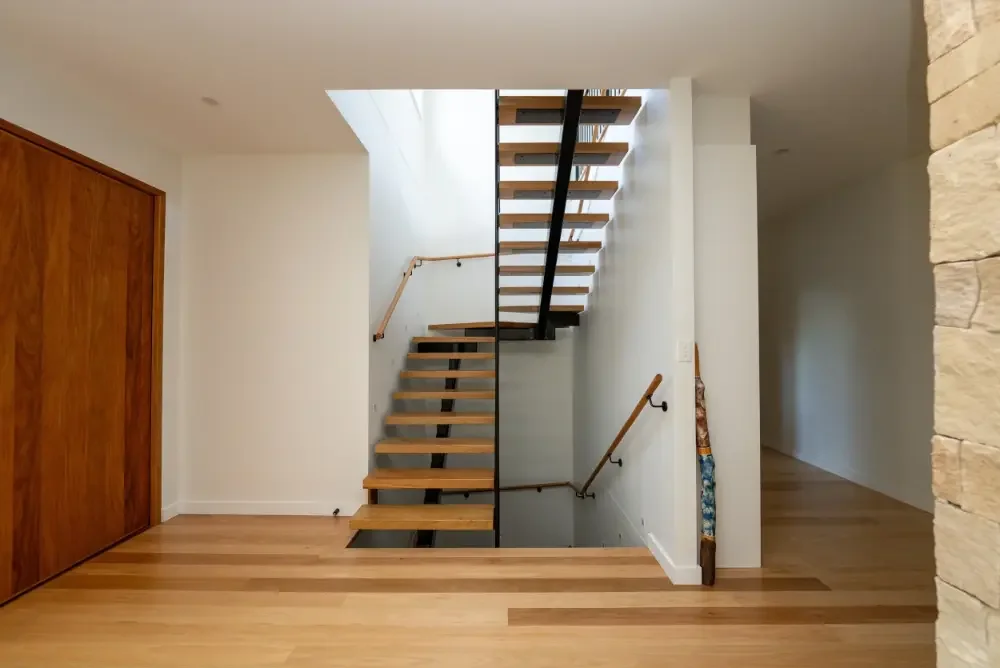
Warm minimalism is replacing stark white, think beige, sand, walnut timber, natural stone, textured plaster, matte fixtures and warm metals.
Stronger indoor-outdoor integration is a priority, with stacking doors, covered alfresco areas, outdoor kitchens, seamless flooring and landscaping that complements interiors.
Sustainability is now baked into the plan, better insulation, double glazing, solar readiness, low-VOC finishes and responsibly sourced materials.
Homes are being reworked for flexibility rather than size, with dedicated home offices, multi-purpose guest rooms, quiet retreats, mudrooms and acoustic separation.
Natural materials and integrated smart tech are trending over high-gloss finishes, think fluted timber cabinetry, handmade tiles, zoned climate control and automated lighting.
The biggest shift is mindset: renovations are being treated as long-term investments focused on layout flow, durability and an experienced builder, not quick cosmetic updates.
Best for: anyone planning a renovation in Sydney, whether you're starting design now or just researching ideas for the year ahead.
Renovating in 2026 is less about following trends and more about creating homes that feel comfortable, practical and built to last.
Across Sydney’s Northern Beaches and North Shore, homeowners are shifting away from cool minimalism and towards spaces that feel warmer, more natural and better suited to everyday life. Renovations are being approached with long-term thinking, thoughtful layouts and a stronger connection to the outdoors.
If you are still in the early planning stages, it helps to understand the full process of renovating a house before making design decisions.
Below are the key renovation trends shaping 2026 and how they can be applied in a way that remains timeless.
1. Warm Minimalism That Feels Liveable
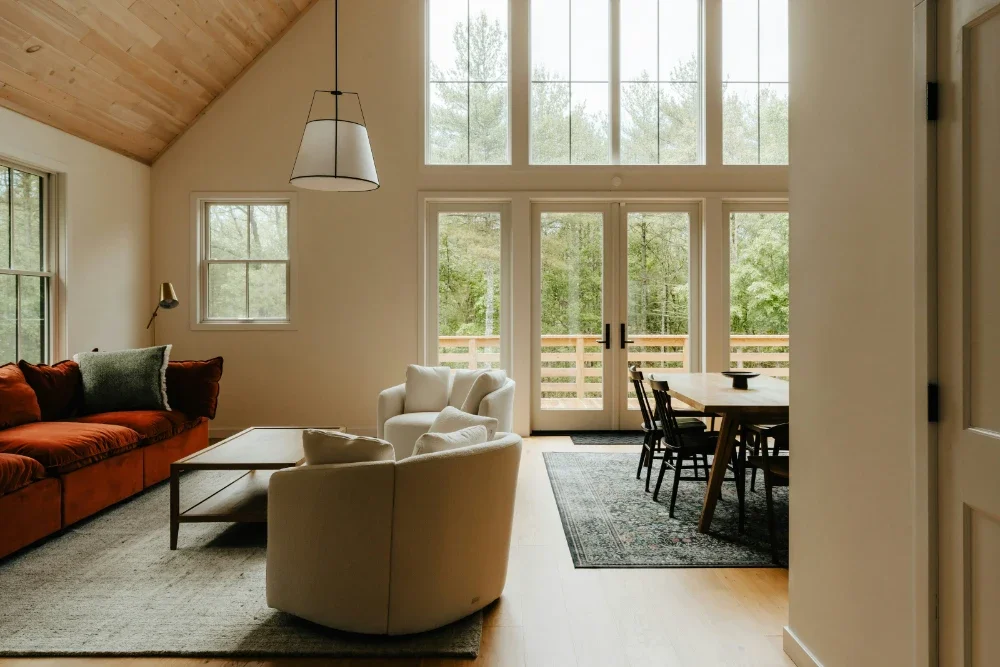
The sharp, all-white aesthetic that dominated the past decade is softening. In its place is a more grounded approach that combines simplicity with warmth and texture.
Homeowners are choosing:
Soft beige, sand and cream tones
Walnut and mid-toned timber finishes
Natural stone with subtle veining
Textured plaster and limewash walls
Matte fixtures and warm metals
The result is a calm and refined interior that still feels inviting. This shift is particularly noticeable in kitchens and bathrooms, where cabinetry colours, benchtop materials and lighting are being selected for depth rather than stark contrast.
If you are planning one of these spaces, our kitchen renovation checklist and bathroom renovation checklist can help ensure nothing is overlooked before construction begins.
2. Stronger Indoor and Outdoor Integration
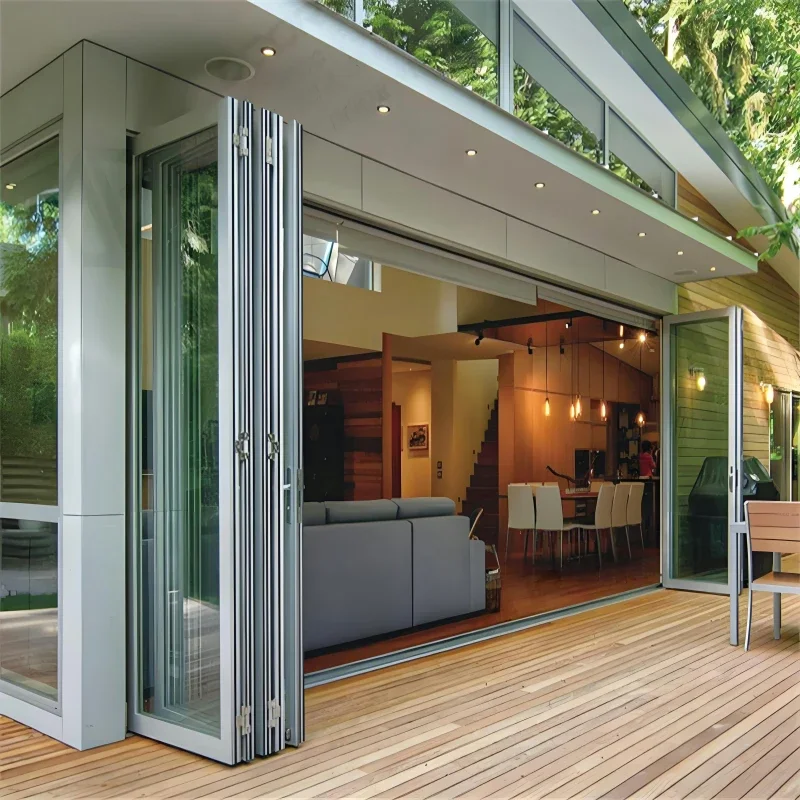
Indoor outdoor flow remains a priority, especially in coastal and leafy suburbs. However, the approach is becoming more integrated and architectural rather than simply adding a deck.
Common upgrades include:
Large sliding or stacking doors
Covered outdoor entertaining zones
Outdoor kitchens and built-in seating
Landscaping that complements interior finishes
Seamless flooring transitions
These improvements increase usable living space while enhancing natural ventilation and natural light. When carefully designed, they also improve property value and day-to-day enjoyment of the home.
3. Sustainability Built Into the Renovation Plan
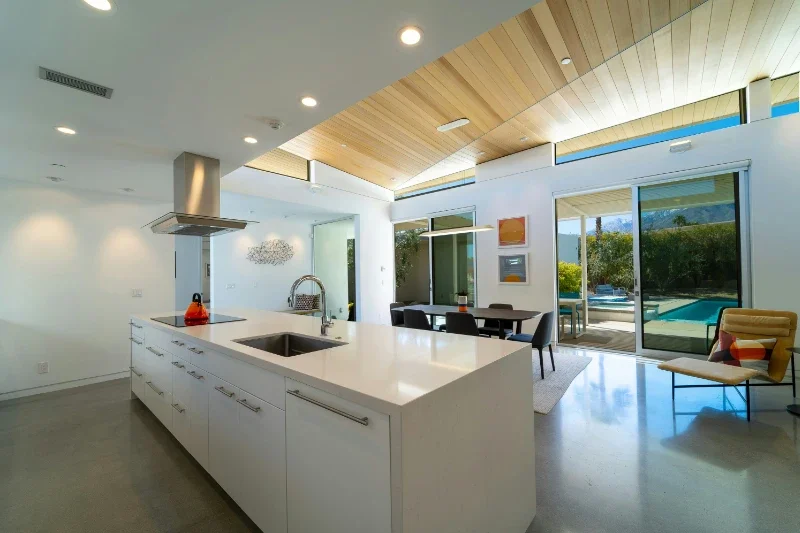
Energy efficiency and sustainable building practices are no longer optional upgrades. They are becoming part of standard renovation planning.
Homeowners are focusing on:
Improved insulation and thermal performance
Double glazing and energy-efficient windows
Solar readiness and battery integration
Low-VOC paints and finishes
Responsibly sourced timber and recycled materials
Making these decisions early in the design stage leads to better long-term performance and lower running costs. For a deeper look at practical upgrades, see our guide to eco-friendly and sustainable renovations.
4. Flexible Spaces for Modern Living
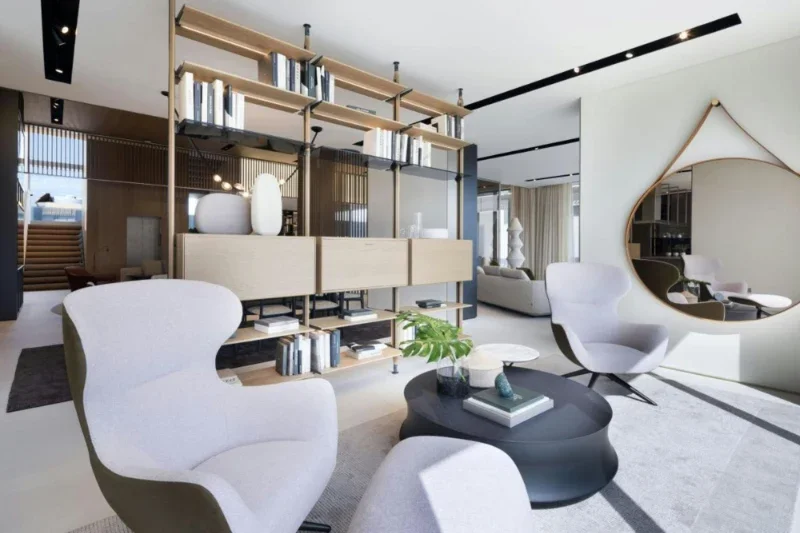
How families use their homes has changed. Renovations in 2026 reflect that shift.
Instead of increasing overall size, many homeowners are reworking existing layouts to improve functionality. Popular inclusions are:
Dedicated home offices
Multi-purpose guest rooms
Quiet retreat areas
Mudrooms with built-in storage
Improved acoustic separation between living zones
A well-designed renovation should support how you live today while allowing flexibility for the future.
5. Natural Materials Over High Gloss Finishes
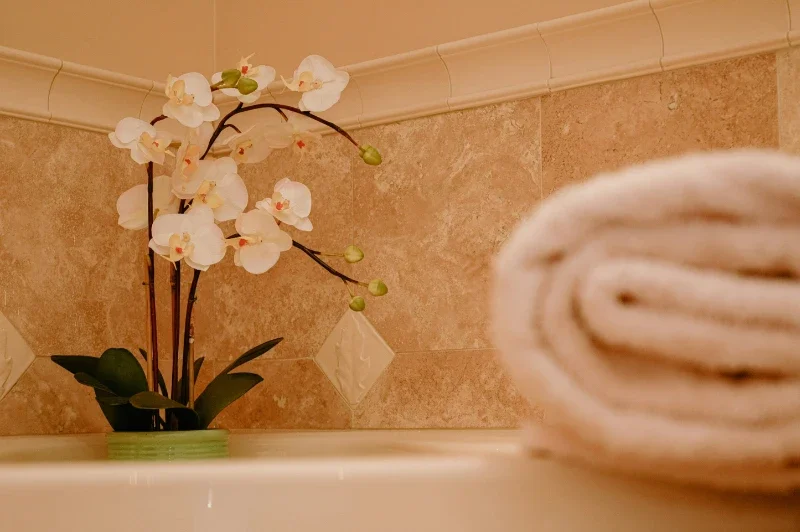
There is a clear movement towards materials that feel authentic and age well.
Trending selections include:
Textured stone
Fluted or reeded timber cabinetry
Handmade tiles
Linen and woven natural fabrics
Soft matte tapware
These finishes create character and depth without feeling excessive. When layered correctly, they provide a timeless look rather than something that feels tied to a specific year.
6. Integrated Smart Technology
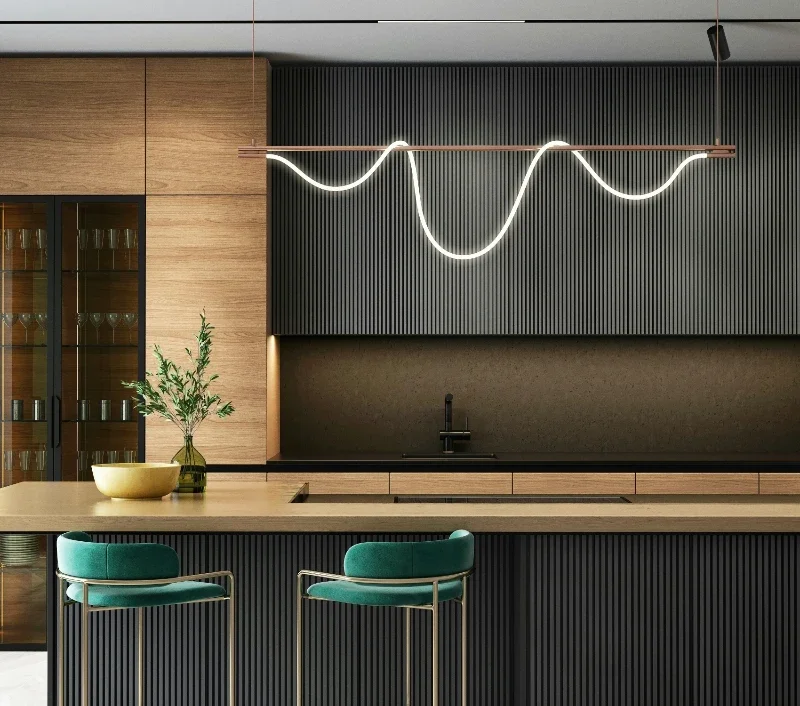
Technology is becoming a standard inclusion in renovation projects, but it is being integrated more thoughtfully.
Homeowners are planning for:
Automated lighting systems
Zoned climate control
Smart security systems
Energy monitoring
Integrated appliance management
Planning these systems during the design stage avoids visible retrofits and keeps finishes clean and streamlined.
7. Long-Term Thinking Over Quick Cosmetic Updates
Perhaps the most important shift heading into 2026 is mindset. Renovations are being approached as long-term investments rather than quick visual upgrades.
This means:
Improving layout flow rather than just repainting
Investing in structural changes where needed
Selecting durable materials
Working with an experienced renovation builder
Understanding how to choose a builder for a renovation is a critical step. Many costly issues arise from poor planning or rushed decisions. Reviewing common renovation mistakes to avoid can help prevent setbacks before they occur.
Planning Your 2026 Renovation
Design trends should guide decisions, not control them. The most successful renovations balance aesthetics with performance, durability and thoughtful construction.
Whether you are upgrading a kitchen, modernising a bathroom or undertaking a full home transformation, detailed planning makes the difference between a smooth project and a stressful one.
Start by understanding the process of renovating a house, clarify your priorities and work with a builder who values quality and clear communication.
Dependabuild delivers considered, high-quality renovations across Sydney’s Northern Beaches and North Shore, creating homes designed for real life and built to last. Get in touch today.
FAQs
1. What are the biggest home renovation trends for 2026 in Sydney?
The biggest trends include warm natural colour palettes, sustainable upgrades, improved indoor outdoor flow, flexible living spaces and integrated smart technology. Renovations are focusing more on long-term performance rather than cosmetic updates.
2. Is it better to renovate or extend in 2026?
It depends on your block size, layout and long-term goals. Many homeowners are choosing to reconfigure existing spaces before extending. A site assessment and feasibility review can help determine the most practical and cost-effective option.
3. How much should I budget for a home renovation in Sydney?
Costs vary depending on scope, structural changes and material selections. Kitchens and bathrooms typically require higher budgets due to plumbing and electrical work, while full home renovations require careful planning and contingency allowances. Early consultation with a builder helps establish realistic expectations.
4. How long does a full home renovation usually take?
Timeframes depend on complexity, approvals and site conditions. Smaller renovations may take several weeks, while full home renovations can take several months. Proper planning and documentation reduce delays during construction.
5. When is the best time to start planning a renovation?
Planning should ideally begin three to six months before your intended construction start date. This allows time for design development, council approvals if required, detailed costing and material selection.
6. How can I ensure my renovation adds long-term value?
Focus on improving layout flow, natural light, energy efficiency and durable materials. Avoid short-term trends that may date quickly. Working with an experienced renovation builder and understanding the full renovation process helps ensure strong long-term results.
