

Quick Summary
Budgeting and planning mistakes cause the most pain: underestimating costs, skipping approvals, rushing the design stage and making changes mid-build all lead to delays and blowouts.
Tradesmanship mistakes include DIYing specialised work like electrical, plumbing or waterproofing, and hiring the cheapest builder instead of one with transparent scope and proven results.
Design mistakes include chasing trends over timeless style, prioritising looks over function, and ignoring structural or hidden issues in favour of purely cosmetic upgrades.
Lifestyle mistakes matter too, living through a major renovation is often more stressful than expected and can delay the project, moving out temporarily is often a good idea.
Most mistakes are avoidable with a 10 to 20% contingency buffer, thorough design before breaking ground, licensed professionals and a builder focused on clear communication and quality.
Best for: anyone planning a renovation and wanting to avoid the common traps before they cost time or money.
A home renovation is an exciting opportunity to improve how your space looks, feels and functions. With the right planning and guidance from experienced professionals, it can be a smooth, well-managed process that adds genuine value to your home.
However, even well-intentioned renovations can run into trouble. Many common renovation mistakes come down to rushed decisions made under pressure, underestimated costs or not fully understanding the structural, plumbing and electrical work involved.
Whether you’re planning to renovate your home with a bathroom upgrade, kitchen renovation or a full transformation, knowing the key mistakes to avoid can help keep your project on track, minimise stress and deliver a better result in the long term.
Below, we break down the most costly renovation mistakes to avoid and explain what to do instead.
1. Underestimating the Renovation Budget
One of the most common and costly mistakes homeowners make is assuming the quoted price is the final price.
Hidden issues often lead to additional cost, particularly in older Australian homes. These can include asbestos removal, structural repairs, electrical and plumbing upgrades, waterproofing issues and council compliance changes, all of which are expensive to fix once work is underway.
How to avoid it:
Always allow a 10–20% contingency buffer on top of your renovation budget. This is a good idea even for smaller projects and helps protect you from unexpected surprises.
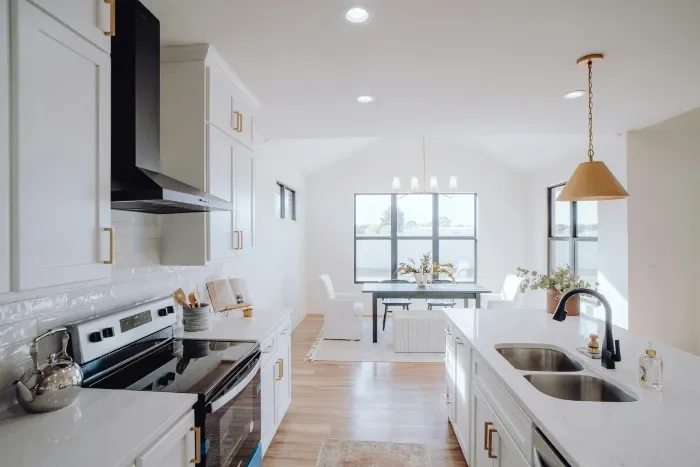
A realistic budget should include labour, materials, fixtures and finishes, approvals, temporary accommodation if needed, and contingency funds.
2. Skipping Council Approvals and Permits
Skipping council approvals can quickly derail a renovation.
Unapproved work may result in fines, forced demolition, insurance complications and issues when selling your home, all outcomes that are costly and stressful.
How to avoid it:
Confirm approval requirements early and work with professionals who understand local regulations. Proper approvals are essential for a successful renovation and long-term peace of mind.
3. Rushing the Design and Planning Stage
Rushing the planning phase is one of the most overlooked renovation mistakes.
Poor layouts, wasted space and impractical designs are all expensive to fix once construction begins. Design mistakes often lead to changes mid-build, which add time and additional cost.
How to avoid it:
Plan thoroughly before you renovate your home. Focus on how the space will function day to day, not just how it looks. Good planning is key to achieving a renovation that works well in the long term.
4. Making Changes During the Build
Changing plans once construction has started is a fast way to create delays and costly mistakes.
Every change impacts labour, materials and scheduling, which can quickly add up and compromise your overall budget.
How to avoid it:
Finalise layouts, finishes and fixtures before work begins. Sticking to decisions is essential for a smooth and successful renovation.
5. Attempting DIY Beyond Your Skill Level
DIY can seem like a good idea, but complex work such as electrical, plumbing, waterproofing and structural changes often ends up costing more when mistakes need correcting.
Poor DIY workmanship can cause long-term damage and safety risks and is frequently expensive to fix.
How to avoid it:
Leave specialised work to licensed professionals. DIY is best reserved for cosmetic tasks that won’t compromise safety or compliance.
6. Hiring the Cheapest Builder
Choosing the cheapest quote is one of the most common renovation mistakes homeowners regret.
Low-cost quotes often hide incomplete scopes, poor-quality materials and unreliable workmanship, leading to delays, disputes and rework.
How to avoid it:
Look for experience, transparency and proven results rather than price alone. A quality builder helps avoid costly mistakes and delivers better value in the long term.
7. Focusing Only on Cosmetic Upgrades
It’s tempting to prioritise visible finishes while ignoring underlying issues such as structural integrity or outdated electrical and plumbing systems.
This approach often leads to serious problems later, which are far more expensive to fix than addressing them during the renovation.
How to avoid it:
Balance aesthetics with function. Addressing hidden issues early is essential for a safe, durable and successful renovation.
8. Chasing Trends Instead of Timeless Design
Trend-driven renovations may look great initially but can date quickly and reduce resale appeal.
Overly bold finishes or impractical layouts often don’t hold up well in the long term.
How to avoid it:
Opt for timeless design choices that support everyday living. Trends can be layered in through furniture and décor rather than permanent fixtures.
9. Prioritising Looks Over Functionality
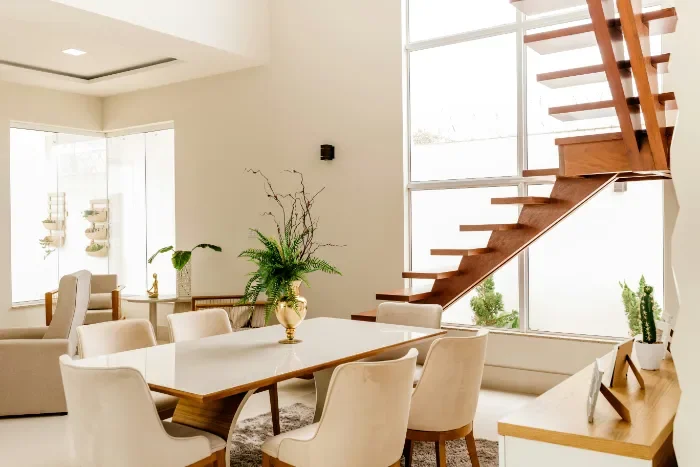
A renovation that looks good but doesn’t function well is one of the most frustrating mistakes to avoid.
Insufficient storage, poor lighting and awkward layouts can make daily living difficult and lead to regret.
How to avoid it:
Design for real-life use. Functionality should always come before aesthetics when you renovate your home.
10. Living in the Home During a Major Renovation
Living through a full renovation is often underestimated and can cause stress, delays and safety concerns.
This is a common renovation mistake that impacts timelines and overall outcomes.
How to avoid it:
If possible, move out during major works. It’s often a good idea that reduces delays and helps keep the project on track.
Avoiding Renovation Mistakes Starts with the Right Team
Most renovation problems are avoidable with proper planning, realistic budgeting and the support of experienced professionals. Making informed decisions early helps avoid costly mistakes, reduce stress and keep your project on track from start to finish.
At Dependabuild, we work closely with homeowners to guide them through every stage of the renovation process. From early planning and budgeting through to construction and delivery, our focus is on clear communication, quality workmanship and outcomes that stand the test of time.
If you’re planning a renovation and want advice from a builder who understands what it takes to deliver a smooth, successful project, get in touch with the Dependabuild team to discuss your plans and how we can help.
